

If your skin looks fine from a distance but tired up close—think fine crepe lines, dullness, and that “why won’t makeup sit right?” texture—skin boosters sit in a sweet spot between skincare and injectables.
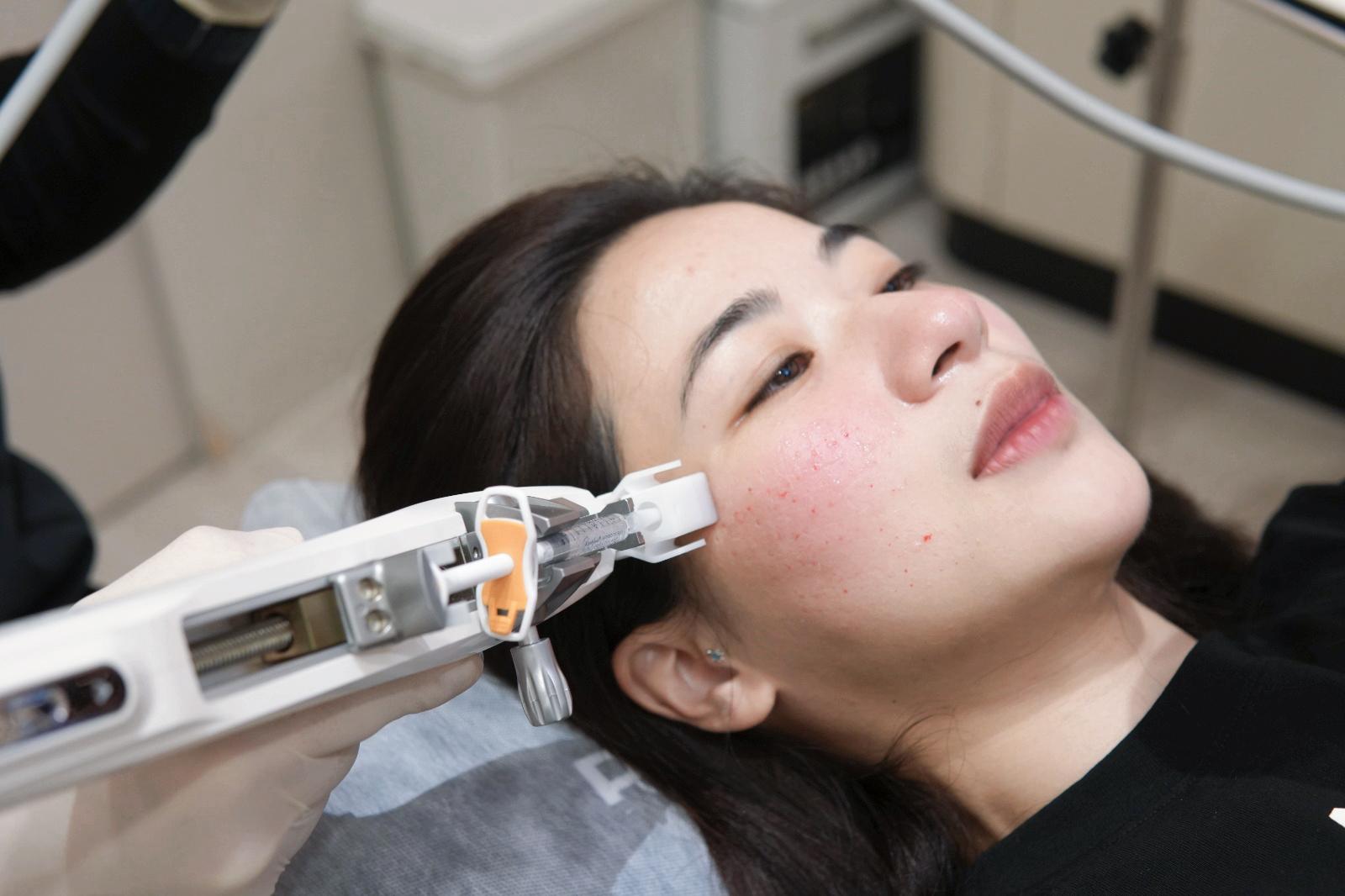
I recently visited The Clifford Clinic and had Galderma Restylane Vital Light Skin Booster with Dr Law Zhi Wei. Here’s what it is, what it did for me, and who I think will benefit most.
During the consultation, Dr Law examined my skin up close, paying particular attention to the areas that tend to reveal fatigue first—the cheeks, the periphery of the under-eye, and the lower face. He explained that Restylane Vital Light is a very soft hyaluronic acid designed to sit superficially, dispersing as micro-droplets just under the skin to restore water content and elasticity. Because it’s non-volumising, the goal isn’t to change your features but to condition the skin so it behaves better: light reflects more evenly, fine crêpey lines blur, and makeup grips without caking. For those with thinner or more sensitive skin, the “Light” formulation is often preferred because it spreads smoothly and appears natural even in bright daylight.
After about half an hour with topical numbing cream, we began. The treatment itself felt like a sequence of tiny pinpricks, more noticeable on bony areas but never more than mildly uncomfortable. Dr Law worked methodically, adjusting depth and spacing based on skin thickness and avoiding the true tear trough to achieve an airy rather than puffy result.
I walked out with almost no downtime. I skipped the gym that evening, kept my skincare bland and hydrating, and was diligent with SPF, which is non-negotiable if you want results to last.
The timeline of change felt subtle but steady. By the end of the first week, I noticed makeup sitting more evenly around the smile lines and lower eyelids, almost as if the surface had been lightly polished. Weeks two to four delivered the payoff: a fresher reflectivity, fewer fine dry lines, and a springier feel when I pinched the cheek. It wasn’t a “new face” moment; it was more like finally catching up on sleep and water, then keeping both. Longevity will vary, but four to six months is a fair expectation, especially if you protect your investment with sunscreen, sensible skincare and a little kindness to your circadian rhythm.
What does it actually do?
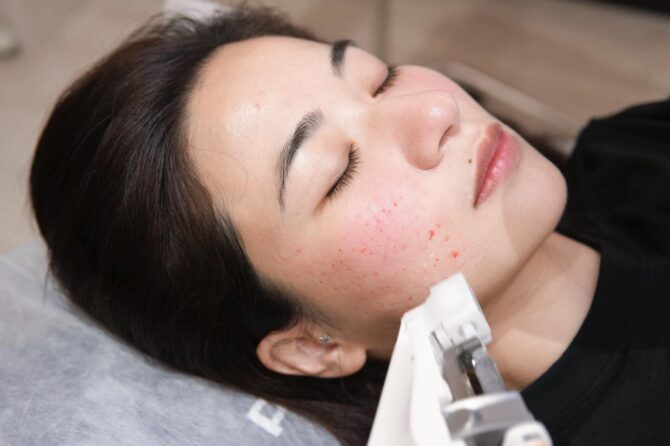
At its most basic, hyaluronic acid behaves like a water magnet, and when placed precisely, it restores the skin’s reservoir from within. That internal hydration can translate into smoother texture, better elasticity and a softened look to those papery lines that topical creams often can’t reach. Because the product sits superficially and isn’t designed to lift, you shouldn’t expect a sculpted jaw or reshaped cheeks—that’s typically the domain of fillers or energy-based devices. Think of skin boosters as a maintenance ritual for skin quality, not a makeover for contours.
Who is the best candidate?
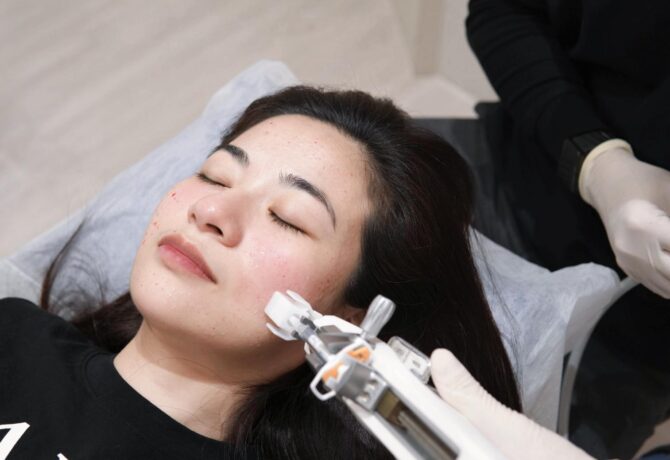
If your main complaints are dullness, fine surface lines, makeup that won’t sit right, or a diffuse crepiness on the cheeks, lower face, neck or even the backs of the hands, this is squarely in your lane. It’s especially helpful for those with thinner skin types who don’t need volume but crave resilience and a glow. I also see the logic for pre-event prep; if you time it a couple of weeks out, you get that “well-rested” sheen without looking “done.” On the other hand, specific scenarios require patience or a different approach. If you’re pregnant or breastfeeding, elective injectables should wait. Active infections or severe acne flares must be treated first. And if you’re expecting lifting or dramatic reshaping, you’ll be happier with a tailored mix of fillers or devices, with or without boosters layered in later.
Treatment plans are surprisingly personal. Many people start with two to three sessions, about four weeks apart, to establish a baseline, then maintain them every four to six months. Dr Law suggested a two-session start for me, with spacing adjusted to how my skin responds across seasons and how strictly I keep up my sun care. The technique matters as much as the product: depth, droplet size and mapping influence how naturally the booster integrates, which is why I appreciated the conservative approach around the under-eye borders and the even spread across my mid-face where texture issues were most apparent.
The treatment works well with most skincare products and many in-clinic procedures, but sequencing is crucial. If you’re pairing with lasers or peels, let your doctor choreograph the order; boosters can be slotted before or after, depending on the device and your goals.
My verdict is that Restylane Vital Light occupies that sweet spot where change is understated yet meaningful. It didn’t alter my features, and I wouldn’t want it to. Instead, it solved the “good from afar, tired up close” problem by improving hydration and texture from within. If you’re looking for a believable, close-range upgrade rather than a visible tweak, this is a brilliant addition to a long-term skin plan. And if your reflection has been whispering that your serums are working hard but not hard enough, consider this the quiet nudge your skin might actually listen to.
The Clifford Clinic is located at 50 Raffles Place #01-01 Singapore Land Tower Singapore 048623.
You can also WhatsApp them at +65 8318 6332 for an appointment.
ADVERTISEMENTS