


Singapore has long been recognised as one of Asia’s leading global business hubs.
With its strong economy, multicultural workforce, and thriving industries such as finance, technology, healthcare, logistics, and education, the city-state attracts professionals from around the world. However, keeping up with rapid industry changes while managing full-time work can be challenging. This is one of the key reasons why short courses have become increasingly popular among expats and working professionals in Singapore.
Rather than committing to long-term academic programmes, many professionals are choosing shorter, more targeted learning options that fit seamlessly into their busy schedules.
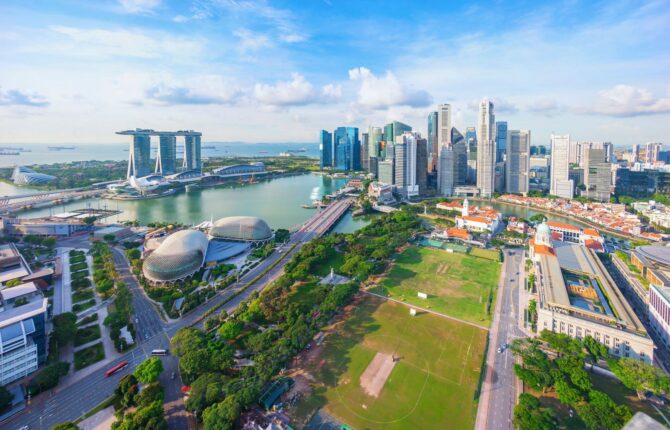
Singapore’s Fast-Paced Professional Environment
Singapore’s workforce is highly competitive and constantly evolving. Professionals are expected to stay relevant, adaptable, and skilled.
Key factors driving the need for continuous upskilling include:
– Rapid technological and industry changes
– High competition in white-collar and specialised roles
– Employer preference for practical, immediately applicable skills
– Increased pressure on expats to adapt quickly to local business norms
Short courses help professionals respond to these demands without interrupting their careers.
Flexibility That Fits Around Work Commitments
One of the strongest appeals of short courses is flexibility. Unlike traditional degree programmes that require years of commitment, short courses are often designed to accommodate working adults. Many are offered in part-time, evening, weekend, or modular formats, making it easier to balance learning with professional responsibilities.
This flexibility is especially valuable in Singapore’s high-intensity work culture, where long hours are common. Professionals can choose courses that align with their schedules and learning goals without sacrificing job performance or personal time. For expats who may be in Singapore for a limited period, this adaptability makes short courses an even more attractive option.
Practical and Job-Relevant Skill Development
Another major reason behind the popularity of short courses is their strong focus on practical, job-ready skills. Instead of broad academic theory, these programmes are typically designed to address real-world challenges and workplace needs.
Many professionals turn to short courses in Singapore to gain specific competencies—such as digital skills, leadership development, technical knowledge, or industry-specific expertise—that can be applied immediately at work. This practical approach not only enhances performance but also increases confidence in handling new responsibilities or transitioning into different roles.
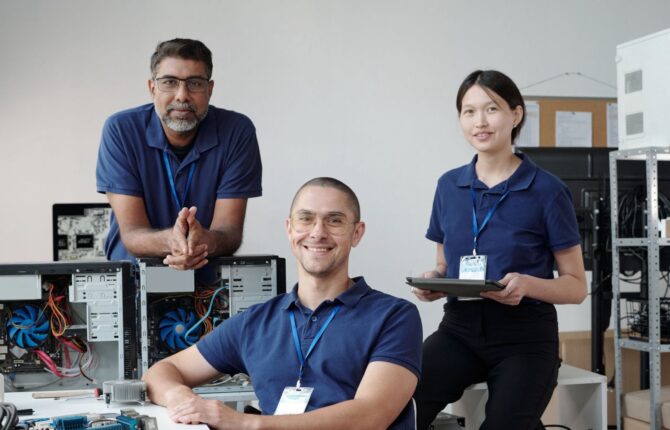
Ideal for Expats Navigating a New Work Culture
For many expatriates, understanding Singapore’s professional environment—such as workplace expectations, employment norms, and regulations—is an important first step before focusing on upskilling. Resources that explain what it’s like to be working in Singapore can help expats settle in faster and make more informed career decisions.
Short courses then provide an effective way to bridge knowledge gaps and better understand Singapore’s business landscape. Programmes tailored to local regulations, professional standards, and industry practices help expats integrate more smoothly into their roles.
Additionally, because short courses typically have shorter learning cycles, they are well suited for expats who may not want to commit to long-term education programmes during their stay. This allows them to upskill efficiently while making the most of their time in Singapore.
Cost-Effective and Time-Efficient Learning
Compared to full-time degrees or extended certification programmes, short courses are generally more affordable and require less time. This makes them an appealing option for professionals who want a faster return on investment.
Instead of spending years in formal education, learners can acquire targeted skills in weeks or months. This time efficiency is particularly important for working professionals who want to see immediate career benefits without taking extended breaks from employment. Over time, multiple short courses can also be stacked to build a well-rounded skill profile.
Supporting Work-Life Balance in a Demanding City
Singapore is known for its dynamic lifestyle, but balancing career growth, family responsibilities, and personal well-being can be demanding. Short courses help reduce the pressure associated with long academic commitments, allowing professionals to learn at a manageable pace.
By offering structured yet concise learning experiences, these programmes help prevent burnout and support sustainable career development. Professionals can continue progressing without overwhelming their schedules, making lifelong learning more achievable in a fast-paced environment.
Access to Recognised Institutions and Industry-Aligned Programmes
Another reason short courses are gaining traction is the availability of programmes offered by reputable institutions in Singapore. Many of these courses are designed in collaboration with industry stakeholders, ensuring that the curriculum remains relevant and aligned with current workforce needs.
For adult learners, this means access to structured learning that is both credible and practical. Recognised certifications can also strengthen professional profiles and enhance employability, especially in competitive industries.
Who Should Consider Short Courses in Singapore?
Short courses are suitable for a wide range of learners, including:
– Mid-career professionals looking to upgrade skills
– Expats adapting to new roles or industries
– Professionals exploring leadership or specialisation paths
– Individuals considering a career transition
Their versatility makes them an attractive option across different career stages.
A Smarter Approach to Upskilling in Singapore
As Singapore continues to evolve as a global business centre, the demand for adaptable and skilled professionals remains strong. Short courses have emerged as a practical and effective way for expats and working professionals to stay competitive without disrupting their careers.
By offering flexibility, practical skill development, and better work-life balance, short courses provide a smarter pathway for continuous learning. For professionals looking to grow, adapt, and thrive in Singapore’s dynamic environment, short courses represent a valuable investment in long-term career success.
ADVERTISEMENTS