


Most wine enthusiasts believe they understand the fundamentals of white wine, yet countless misconceptions persist in the wine world.
From serving temperatures to aging potential, white wine holds numerous secrets that challenge conventional wisdom. Recent wine industry data reveals that over 60% of wine consumers hold at least three incorrect beliefs about white wine characteristics and proper handling.
The global white wine market, valued at approximately $42 billion in 2023, continues expanding as consumers discover varieties beyond the typical Chardonnay and Sauvignon Blanc offerings. However, this growth coincides with persistent myths that limit appreciation for white wine’s true complexity and versatility.
Understanding these lesser-known facts transforms the drinking experience and enhances appreciation for white wine’s sophisticated nature. Professional sommeliers and wine researchers have identified key areas where public knowledge significantly diverges from scientific reality, creating opportunities for enhanced enjoyment and proper wine handling.
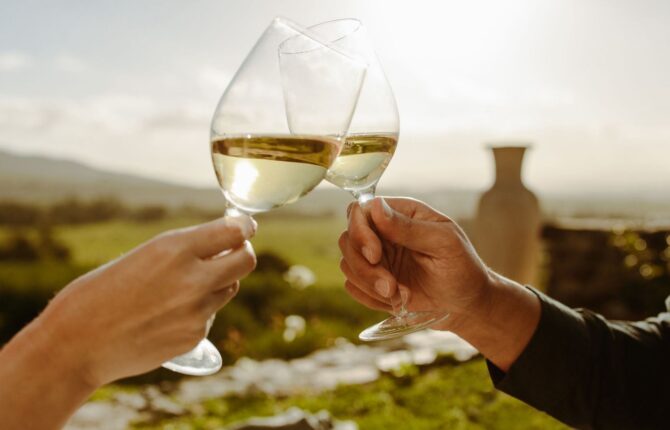
Essential White Wine Facts
– Temperature matters: Different white wine styles require specific serving temperatures between 7,2° and 15,6°C for optimal flavor expression
– Variety diversity: Over 150 white grape varieties exist beyond common Chardonnay and Sauvignon Blanc options
– Aging potential: Premium white wine can age successfully for 10-20 years, developing complex flavors impossible in young wines
– Food pairing flexibility: White wine pairs excellently with robust, spicy cuisines when intensity levels match appropriately
– Production impact: Malolactic fermentation dramatically affects wine style, creating the difference between crisp and creamy expressions
– Storage requirements: Consistent temperatures in a quality wine fridge preserve white wine character far longer than refrigerator storage
– Quality cooking: Using good white wine for cooking produces superior results compared to dedicated cooking wine products
The Temperature Revolution: White Wine’s Hidden Serving Secret
Optimal Serving Temperatures Vary Dramatically
Most wine drinkers serve white wine far too cold, believing that maximum chilliness enhances the experience. Professional wine service standards reveal a more nuanced approach: different white wine styles require specific temperature ranges for optimal flavor expression.
Dry white wine varieties like Sauvignon Blanc perform best between 7-10°C, while fuller-bodied wines such as aged Chardonnay reach their peak at 10-13°C. Sweet wine varieties, including late-harvest riesling, excel at slightly warmer temperatures of 55-60°F (13-15°C).
| Wine Style | Optimal Temperature | Flavor Impact |
| Light Sauvignon Blanc | 7-10°C | Preserves acidity, enhances citrus notes |
| Full-bodied Chardonnay | 10-13°C | Releases complex aromatics, balances oak |
| Sweet Riesling | 13-15°C | Reveals fruit complexity, reduces cloying sensation |
| Sparkling Wine | 4-7°C | Maintains effervescence, crisp texture |
Storage Temperature Facts Challenge Common Practice
The misconception that all white wines require identical storage conditions costs consumers significant money through premature wine deterioration. A quality wine fridge maintains consistent temperatures between 10-13°C, protecting white wine from temperature fluctuations that destroy delicate flavor compounds.
Professional cellaring studies demonstrate that white wines stored at fluctuating temperatures above 15°C lose 40% of their aromatic complexity within six months. Conversely, wines maintained at proper cellar temperatures retain their character for years beyond their intended drinking windows.
White Wine Varieties: The Diversity Beyond Recognition
Hidden Grape Varieties Surpass Popular Choices
While Chardonnay and Sauvignon Blanc dominate retail shelves, over 150 white grape varieties produce commercially available wines worldwide. Many of these lesser-known varieties offer superior quality-to-price ratios compared to mainstream options.
Riesling represents one of the most misunderstood white wine varieties, capable of producing everything from bone-dry expressions to intensely sweet wine styles. German and Alsatian riesling often showcase mineral complexity that surpasses more expensive alternatives, yet consumer unfamiliarity keeps prices accessible.
Regional Expression Transforms Familiar Grapes
The same grape variety produces dramatically different wines depending on terroir and winemaking techniques. Chardonnay from Burgundy shares little resemblance with Australian or Californian expressions, despite identical grape genetics.
Climate influence creates these variations: cool-climate Chardonnay emphasizes mineral and citrus characteristics, while warm-climate versions develop tropical fruit flavors and higher alcohol content. Understanding these regional differences enables more informed purchasing decisions and enhanced tasting experiences.
Aging Potential: White Wine’s Surprising Longevity
Premium White Wines Age Longer Than Most Reds
The persistent myth that white wines must be consumed young prevents wine enthusiasts from experiencing aged white wine’s remarkable complexity. Top-tier white wines from prestigious regions possess the remarkable capacity for graceful aging, often spanning 10-20 years. This maturation process engenders the development of complex and layered flavors, unattainable in their younger counterparts.
White Burgundy (premium Chardonnay) from exceptional vintages reaches its peak after 8-15 years of proper cellaring. These wines develop honey, hazelnut, and mineral notes that transform the original fruit-forward character into something entirely different yet superior.
Wine Alcohol Content Affects Aging Capacity
Higher alcohol content generally correlates with improved aging potential in white wines. White wine with alcohol levels between 12.5-14% typically ages more successfully than lighter styles, as alcohol acts as a natural preservative while contributing to texture development.
However, balance matters more than pure alcohol percentage. Well-balanced wines with appropriate acidity levels age gracefully regardless of alcohol content, while unbalanced wines deteriorate quickly regardless of their alcohol strength.
| Wine Type | Optimal Aging Period | Peak Characteristics |
| Premium Chardonnay | 5-15 years | Honey, nuts, mineral complexity |
| Aged Riesling | 3-10 years | Petrol notes, dried fruit, spice |
| White Rhône Blends | 4-12 years | Honeyed texture, herb complexity |

Food Pairing: Unexpected Combinations That Transform Meals
White Wine Enhances Unexpected Cuisine Styles
Traditional pairing wisdom limits white wine to light dishes, yet many white wines complement robust, spicy cuisines better than their red counterparts. Full-bodied Chardonnay pairs excellently with rich, creamy curries, while aromatic Riesling tames spicy Asian dishes more effectively than most red wines.
The key lies in matching wine intensity with food intensity rather than following color-based rules. A powerful, oak-aged white wine can stand up to grilled meats, while light reds might overwhelm delicate fish preparations.
Texture Matching Supersedes Flavor Compatibility
Professional sommeliers increasingly emphasize texture matching over traditional flavor pairing guidelines. Creamy white wine varieties complement dishes with similar textures, creating harmonious mouthfeel experiences that enhance both food and wine.
Sparkling wine provides palate-cleansing properties that make it ideal for fatty or rich foods, explaining champagne’s traditional pairing with oysters and caviar. The bubbles literally scrub the palate clean, preparing it for the next bite.
Production Methods: Technical Secrets Behind Quality
Malolactic Fermentation Creates Dramatic Style Differences
Most wine consumers remain unaware of malolactic fermentation’s impact on white wine character. This secondary fermentation process converts sharp malic acid into softer lactic acid, creating the buttery, creamy textures associated with premium Chardonnay.
Winemakers strategically employ or block malolactic fermentation to achieve desired style profiles. Crisp, mineral-driven whites typically avoid this process, while rich, full-bodied styles embrace it fully. Understanding this technique explains why two white wine bottles from the same producer can taste completely different.
Cooking Wine Quality Myths Waste Money
The widespread belief that inferior wine suffices for cooking represents a costly misconception. Cooking wine products sold specifically for culinary use often contain excessive salt and preservatives that negatively impact dish flavors.
Professional chefs use the same quality white wine for cooking that they would serve to guests. The cooking process concentrates wine flavors rather than masking them, making quality selection crucial for optimal results. A bottle suitable for drinking produces superior culinary outcomes compared to dedicated cooking products.
Conclusion: Elevating White Wine Appreciation
These revelations about white wine demonstrate the complexity hidden within seemingly simple bottles. Understanding proper serving temperatures, recognizing diverse varieties beyond mainstream options, and appreciating aging potential transforms casual wine drinking into sophisticated appreciation.
Temperature control emerges as the most immediately actionable insight, requiring only a thermometer and patience to implement. Investing in a quality wine fridge provides long-term benefits for wine preservation and optimal serving conditions.
Exploring lesser-known varieties like Riesling and regional expressions of familiar grapes opens new flavor territories while often providing better value than popular choices. The food pairing flexibility of white wine expands dining possibilities far beyond traditional limitations.
Professional storage and serving techniques preserve wine investment while maximizing enjoyment. These practices, combined with understanding of production methods and aging potential, elevate white wine from simple refreshment to sophisticated beverage worthy of serious consideration.
The wine industry continues evolving, with new regions and techniques expanding white wine possibilities annually. Armed with these fundamental insights, wine enthusiasts can navigate this complexity confidently, making informed decisions that enhance both immediate enjoyment and long-term collection development.

Frequently Asked Questions
What makes dry white wine different from sweet varieties?
Dry white wine contains less than 4 grams of residual sugar per liter, while sweet wine contains 45+ grams per liter. The fermentation process determines final sweetness levels, with dry wines fermenting until nearly all grape sugars convert to alcohol.
How long can white wine be stored after opening?
Properly stored white wine maintains quality for 3-5 days after opening when refrigerated with minimal air exposure. Using vacuum pumps or inert gas systems extends this period to 7-10 days for most varieties.
Does wine alcohol content affect health considerations?
Most white wine contains 11-14% alcohol by volume, significantly higher than beer but lower than spirits. Standard serving sizes 150ml contain approximately 12-14 grams of alcohol, equivalent to one standard drink unit.
Which white wine varieties pair best with spicy foods?
Riesling handle spice exceptionally well due to their aromatic intensity and potential sweetness. These varieties complement rather than compete with complex spice profiles in Asian and Latin cuisines.
How important is a wine fridge for casual wine drinkers?
A dedicated wine fridge provides consistent temperature control that significantly extends wine life and improves drinking quality. For collectors or frequent wine consumers, the investment pays dividends through reduced wine waste and enhanced experiences.
What’s the difference between sparkling wine and champagne?
Sparkling wine represents the broad category of effervescent wines, while champagne refers specifically to sparkling wines produced in France’s Champagne region using traditional methods. Quality levels vary widely within both categories.
ADVERTISEMENTS
Can types of wine be mixed for cooking purposes?
Mixing different types of wine for cooking generally produces inferior results compared to using a single, quality variety. Each wine type contributes distinct flavor characteristics that may clash when combined inappropriately.
How does terroir affect white wine character?
Terroir encompasses soil, climate, and environmental factors that influence grape development. The same grape variety produces dramatically different white wine styles depending on growing conditions, explaining regional character variations.
What storage mistakes damage white wine most quickly?
Temperature fluctuations, light exposure, and vibration represent the primary threats to white wine quality. Storing wines in kitchen refrigerators or near heat sources accelerates deterioration and flavor loss.
Should white wine be decanted before serving?
Most white wine varieties benefit from minimal decanting, typically 15-30 minutes of breathing time. Aged or complex whites may require longer exposure to reach optimal expression, while young, crisp styles need minimal air contact.
ADVERTISEMENTS