

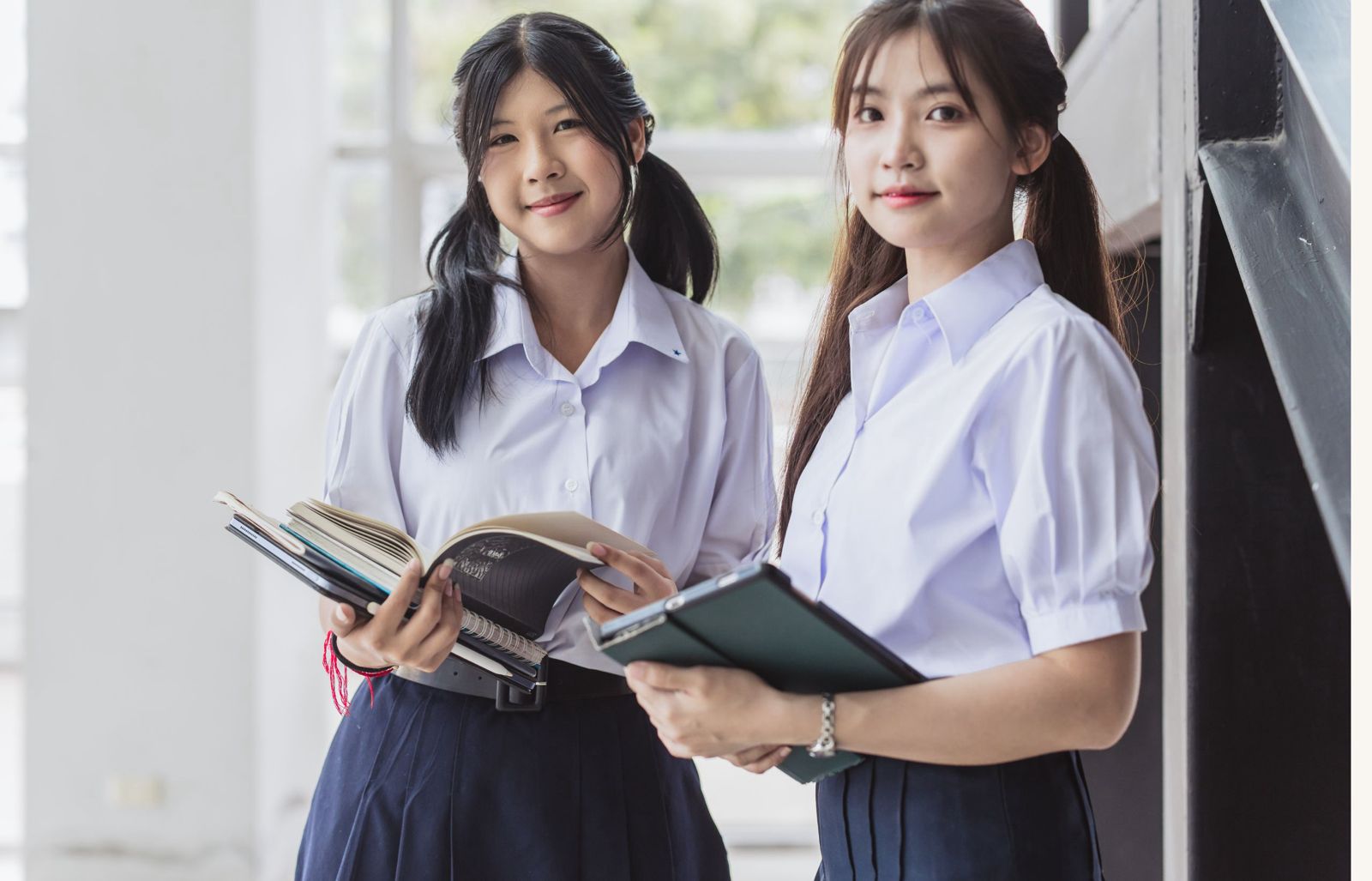
Discover practical methods secondary schools use to strengthen focus, support wellbeing, and build confident, attentive learners through routines.
Modern secondary schools shape teen habits through clear routines, shared goals, and steady academic support. Strong focus and concentration help them manage lessons, tasks, and pressure with calm confidence. In this context, the right instruction methods guide minds toward clarity, purpose, and effort within busy school days. Professional teachers support curious students through dialogue, trust, and thoughtful classroom structure each school day.
Secondary school students face rising demands that test attention, discipline, and steady mental effort skills. Clear guidance and balanced routines help teens stay present across subjects and varied expectations. Parents and educators seek methods that protect focus without pressure or rigid academic demands. This article outlines the methods Renowned Secondary Schools use to enhance students’ focus and concentration skills.
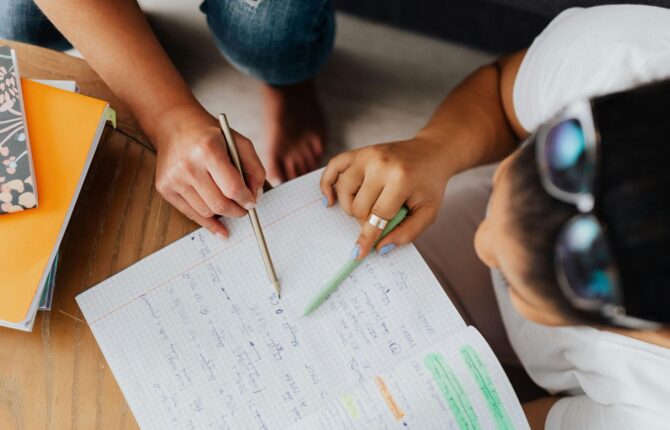
Balanced Skill Pathways Lead To Deeper Focus
Students of secondary schools benefit from carefully designed pathways that build knowledge and skills. A curriculum that bridges early secondary to pre-university studies gives teens clarity on what comes next. These pathways demand that learners take part in academic work that requires them to think, reason, and solve problems. With such a structure, students do not simply memorise facts but engage in tasks that require sustained attention.
Schools encourage critical reflection and skill application to help students stay engaged even when tasks are unfamiliar. This slower yet deeper pace of learning promotes quality focus rather than frantic recall of information. Learners build the habit of tackling complex ideas one piece at a time, which strengthens their mental stamina. Ultimately, a balanced skill pathway becomes a daily rhythm that trains the brain to hold attention.
Structured Steps That Match Teen Needs
Teens often find it hard to stay focused when the jump between grades or programmes feels too big. To avoid this, a private secondary school in Singapore introduces structured steps that ease students into more difficult content. Early secondary learners begin with a solid base in core subjects before moving into more specialised studies. Each step adds new demands at a reasonable pace, so students remain confident.
Furthermore, pastoral care and emotional support connect academic progress with personal well-being. When students feel supported by tutors and teachers, they are more likely to show up fully in class and concentrate on their work without hesitation. This built-in scaffolding helps strengthen focus as it reduces anxiety. Teens begin to associate school with growth rather than pressure.
Tasks That Mirror Real Life Spark Genuine Interest
Many secondary schools design activities that reflect real-world problems or situations, which invite teens to think with purpose. Rather than abstract exercises, students explore how their knowledge applies outside school walls. This approach connects what they learn to things that matter. Real-world tasks help them see results from their efforts, which makes concentrating on future tasks feel less like a chore.
When learners connect ideas with lived experience, their inner motivation begins to grow stronger. Stronger motivation naturally improves focus, as teens want to understand rather than merely complete a checklist of tasks. With teachers guiding them through tasks that feel purposeful, young minds learn to focus longer. It turns learning into an active process, rather than a passive reception of facts.
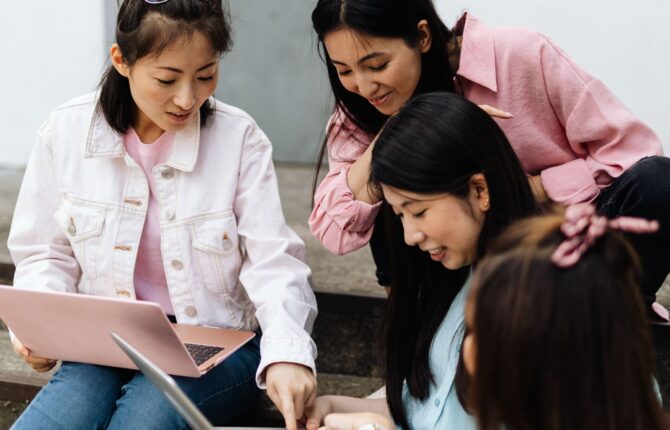
Supportive Teachers Who Guide Thoughtfully
A strong teacher presence in classrooms plays a huge role in helping teens stay present. Teachers who listen, observe, and respond to each student’s needs encourage teens to invest themselves in discussions. When the students of secondary schools feel seen and known by their teachers, they are less likely to lose interest. Supportive guidance helps them reflect on their own understanding.
Skilled educators also provide constructive feedback that helps teens refine their thought processes. This feedback loop teaches students how to focus on improvement rather than fear mistakes. Daily interaction with thoughtful teachers trains students to focus on quality work and thoughtful expression. Over time, this resonant guidance sharpens focus and builds resilient learners.
Activities Beyond Class That Practice Commitment
Learning continues beyond classrooms, as schools offer co-curricular activities that extend focus into broader areas of life. Whether through community projects, sports, or arts, teens learn to dedicate themselves to tasks requiring patience. These activities teach them to respect effort over instant results. Also, active participation outside standard lessons encourages them to see learning as a holistic process.
Co-curricular involvement also teaches students how to balance multiple priorities without losing sight of what matters most. Time spent in clubs, teams, or service roles builds discipline that later benefits academic focus and attention. Over time, they develop steadier habits of mind that carry across all areas of their lives. These experiences help students grow both as learners and as young adults ready for future challenges.
Effective focus habits shape confidence, resilience, and steady academic progress throughout the secondary school years. Secondary school students benefit most when focus receives equal value alongside wellbeing, curiosity, and growth. Thoughtful education choices support calmer minds, clearer priorities, and stronger effort across teen years. Explore approaches that respect individuality and help young learners thrive across school life.
ADVERTISEMENTS