

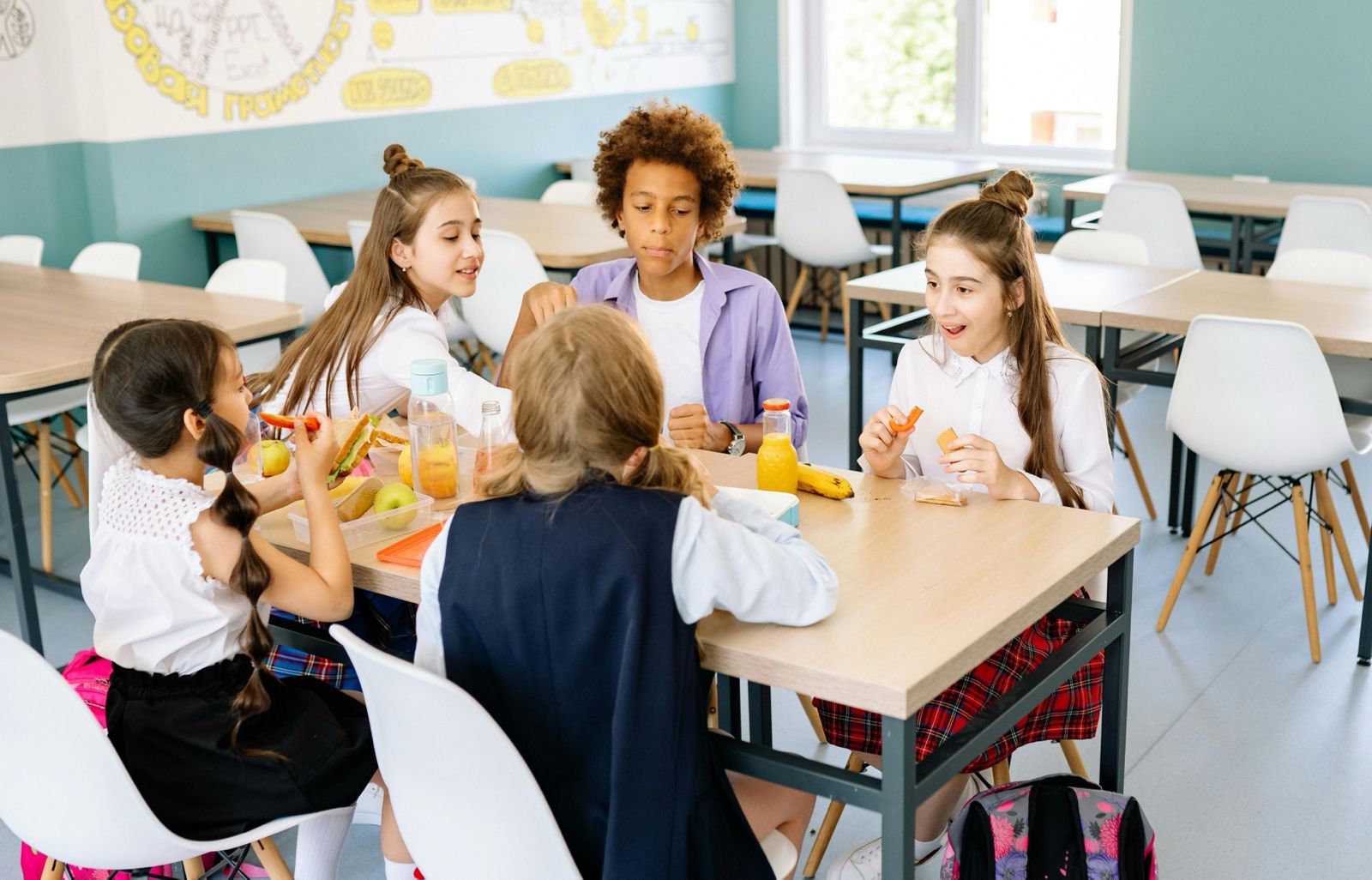
Walk into a global classroom in Singapore, and you will notice something unusual right away.
Students are not just preparing for exams; they are preparing for movement across countries, cultures, and ideas. That shift changes how schools design everything, from subjects to daily routines. This article breaks down what truly defines these schools, including how they shape identity, build independence, and prepare students for transitions that go far beyond academics.
Academic Pathways That Stay Flexible Over Time
When families begin looking into global education options, one thing becomes clear quite quickly. Flexibility sits at the core of how an international school designs its academic journey. Students are not pushed into fixed tracks too early, which allows their interests to develop naturally over time.
A student may start with the Cambridge Lower Secondary program and later shift toward the IB Diploma as goals become clearer. This kind of academic freedom supports thoughtful planning without forcing early decisions. It also makes transitions smoother for students who move between countries, which is common in globally mobile families.
Exposure To Multiple Learning Philosophies
Global schools in Singapore do not rely on a single teaching style. Instead, they blend different philosophies that shape how students approach knowledge.
You may notice approaches such as:
– Inquiry-led learning in IB classrooms
– Structured progression in British systems
– Discussion-driven formats in American programs
– Skill-focused modules in hybrid curricula
This mix allows students to experience different ways of thinking. Over time, they develop the ability to adapt to varied academic environments with ease.
Strong Focus On Transition Readiness
One aspect that stands out is how schools prepare students for change. Transitions between grades, curricula, or even countries are handled with careful planning.
Transition support typically includes:
– Orientation sessions before the new academic stages
– Bridge programs for curriculum shifts
– Continuous monitoring during adjustment periodsThis structure helps students settle quickly into new systems. It reduces stress and builds confidence when facing unfamiliar academic expectations.
Assessment That Reflects Real Progress
Evaluation methods in global schools look very different from traditional exam-heavy systems. The focus shifts toward understanding how students apply knowledge over time.
Students are assessed through a mix of coursework, presentations, and research-based tasks. This allows teachers to track deeper understanding rather than short-term recall. Feedback becomes more detailed and useful, which helps students refine their approach and improve steadily across subjects.
Student Identity And Voice Matter In Classrooms
A unique feature of these schools lies in how much importance they place on student voice. Learners are encouraged to share opinions, question ideas, and contribute to discussions.
This approach builds confidence and independence early. Students learn to take ownership of their work and decisions. Over time, they become comfortable expressing ideas in different settings, which is a valuable skill in higher education and professional environments.
Strong Teacher Support Shapes Personal Direction
Beyond academics, teachers play a key role in guiding students toward long-term goals. Their understanding of each student’s strengths helps create a more focused and meaningful learning journey. This connection allows students to see how classroom work links to plans.
Teachers assist with subject choices, offer advice on academic paths, and encourage personal growth through regular interaction. Their insights help students stay aligned with their abilities and interests. This consistent support builds clarity, which helps students move forward with confidence and a clear sense of purpose.
Global Mobility As A Core Advantage
Many families choose the best international schools in Singapore because they support global movement. Students can transfer between schools in different countries without losing academic continuity.
This mobility comes from standardized curricula and transferable credits. Students gain confidence knowing their education will remain consistent even if they relocate. This flexibility becomes a major advantage for families with international work or travel commitments.
Community Culture That Extends Beyond Classrooms
School life in Singapore extends well beyond academic sessions. Students participate in activities that build relationships and social awareness within a diverse community.
Events, clubs, and group initiatives help students interact across cultures. These experiences create a sense of belonging and shared understanding. Over time, students develop interpersonal skills that support both academic and personal success.
Choosing an international school in Singapore means stepping into a system that values flexibility, adaptability, and personal growth. Each element, from academic pathways to community culture, works together to support a well-rounded experience. Families who explore these schools will notice how they prepare students for change, encourage independent thinking, and build confidence for future opportunities across different parts of the world.