

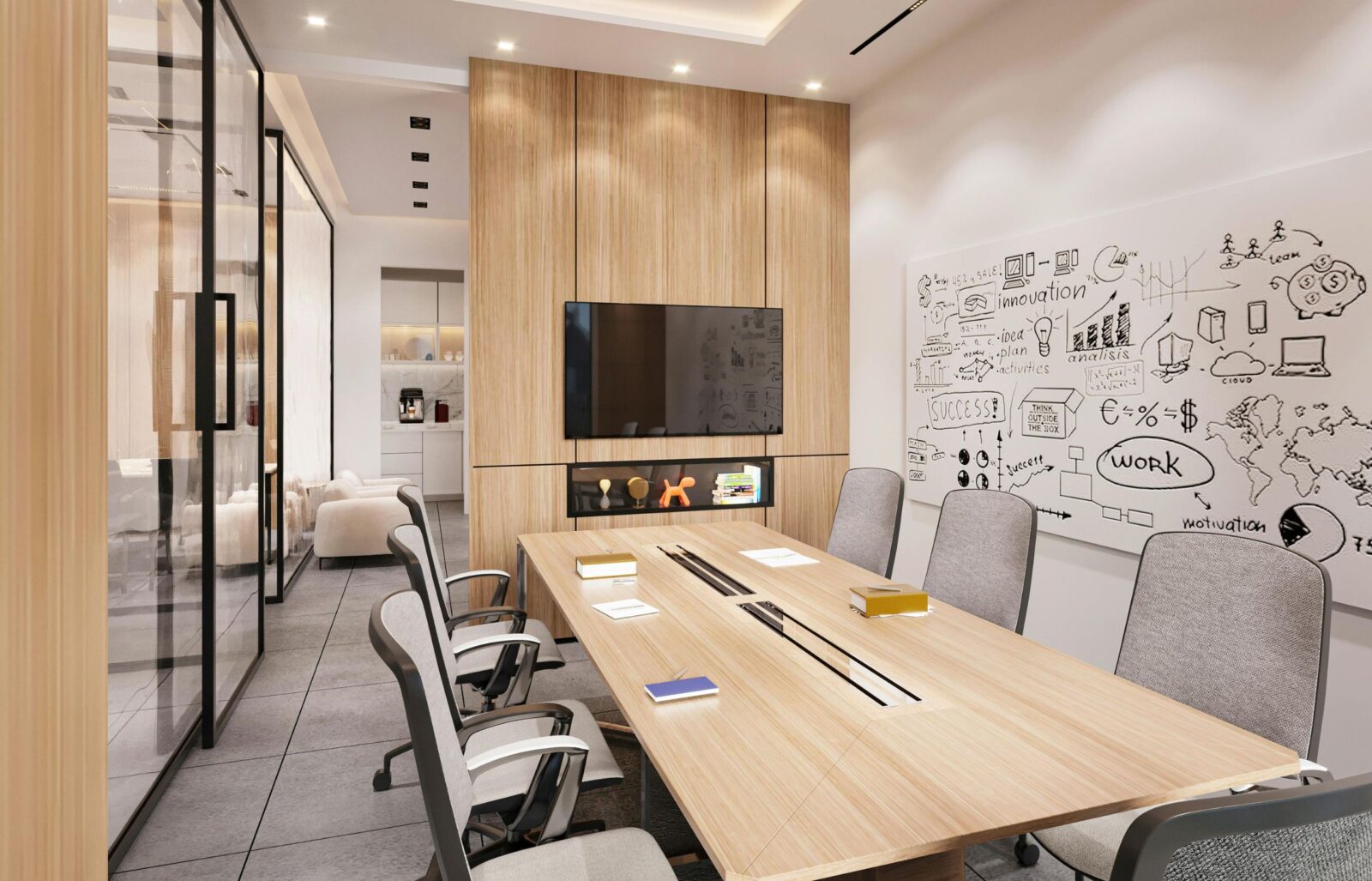
Not every meeting room is built for every business occasion.
When the stakes are high and the agenda is packed, the right setting can make all the difference. After all, a properly equipped meeting venue can set the tone for productive discussions while an unsuitable space can create unnecessary distractions and logistical headaches. Whether you are planning a board meeting, workshop, company seminar, or any other large-scale corporate meetup, using the right space and doing the right prep work play a crucial role in keeping attendees comfortable, engaged, and focused. When comparing meeting rooms for rent in Singapore, consider these 11 essentials before making a booking.
1. Choose a Convenient, Well-Connected Location
First, you want to make it easy for attendees to arrive on time. If your venue is out of the way, then you may see lower attendance rates, which may impact productivity or even a key event’s chances of achieving a quorum.
Look for venues close to MRT stations and bus routes, ideally with sheltered access to protect attendees during Singapore’s frequent downpours. Check parking, drop-off points, and nearby hotels. If overseas delegates are attending, event locations with convenient connections to Changi Airport can make their journey simpler.
2. Match Capacity to Your Actual Setup
A room’s maximum capacity does not always tell the whole story. For one thing, tables and chairs at different venues can take up different footprints, and they must often compete for space with public address speakers, presentation equipment, and registration tables. Filling a venue almost to its maximum capacity might also limit room to move and leave the room feeling cramped, which may discourage participation.
In any case, try to visit the venues you’re considering before committing to any of them. This should give you a clearer idea of whether the location can actually support the kind of event you’re planning.
3. Look for Flexible Seating Arrangements
Some venues are better suited for certain purposes. More intimate boardroom seating suits top-level discussions, while theatre or ballroom seating works for larger presentations. Meanwhile, classroom layouts can offer a collaborative setup with writing space for training sessions.
Still, not all meetings will necessarily have the same flow throughout. If you need to change configurations between sessions, ask your venue provider how long the turnaround takes and whether it incurs an additional fee.
4. Check the Audiovisual Equipment
Clear sound and visuals make presentations easier to follow, which means they have a direct impact on how well the meeting goes.
Before committing to a venue, confirm the availability of screens or projectors, microphones, speakers, and suitable lighting. Check HDMI and USB-C compatibility, and arrange a test with your presenters’ devices. For hybrid sessions, ask whether cameras, conferencing microphones, and video-call facilities are available, rather than assuming standard presentation equipment will suffice.
5. Verify Wi-Fi Reliability and Power Access
Reliable connectivity matters when attendees share documents, join virtual calls, or use interactive tools. Ask whether the Wi-Fi can handle your expected number of devices and whether a dedicated wired connection is available for live demonstrations. You should also check the location and availability of power sockets and charging points, especially for full-day workshops.
6. Confirm What On-Site Support Includes
Technical assistance can help resolve issues before they seriously disrupt the programme. Find out whether staff can assist with microphone checks, presentation setup, connectivity, and room changes before and during the event itself. Clarify whether support is included in the rental package, available throughout the event, or charged separately.
7. Prioritise Accessibility for Every Attendee
Accessibility features benefit everyone, not just individuals with disabilities. Before committing to a venue, check for step-free entrances, lifts, wheelchair-accessible toilets and clear wayfinding signs. Also consider the route from public transport and designated drop-off areas, not just access within the room.
If attendees have indicated that they require hearing assistance or other accessibility arrangements, raise these needs early with your provider. If they cannot accommodate these attendees, consider other venues that can meet their accessibility needs. Alternatively, you can provide these accessibility solutions yourself with assistance from the venue provider.
8. Assess Comfort, Lighting and Privacy
In Singapore, effective air-conditioning is a must-have all year round, especially if attendees are expected to wear formal clothing. Also, reasonably supportive seating and good acoustics are critical, especially if you expect discussions and Q&A sessions.
Adjustable artificial and natural lighting options are also nice to have, particularly if there are presentations requiring the use of projectors. For confidential meetings, enquire about sound insulation and whether adjacent events could cause distractions.
9. Plan Catering Around the Agenda
Refreshments are generally regarded as a part of Singaporean business culture, which is not surprising given the country’s reputation as a global food destination. Always ask your shortlisted providers about coffee breaks, lunches, and whether food may be served inside or near the room.
Meetings in Singapore also tend to involve diverse participants, making it necessary to check the availability of halal-certified catering, Asian vegetarian meals, as well as options for dietary allergies. Confirm serving times to keep meal queues from eating into valuable meeting time.
10. Explore Breakout and Pre-Function Spaces
Important discussions do not always happen in the main room. Nearby breakout areas allow for reflection and private conversations, while pre-function spaces can accommodate registration, refreshments and networking. Check their proximity, capacity, and whether their use is included in the provider’s quotation.
11. Review the Full Rental Terms
Always ask your shortlisted venue providers whether their quotations include GST, audiovisual equipment, Wi-Fi, furniture and technical support. You’ll also want to confirm setup and dismantling access, overtime charges, cancellation terms, and policies for changing attendee numbers to avoid surprises during billing.
Productive Meetings Often Start with the Right Room
The right meeting room does more than give your guests a place to sit. It must also help your presentations and workshops flow smoothly and keep conversations focused on the agenda at hand. Asking a few important questions before you book might just save you a few logistical headaches and leave you more time to hold an event that delivers its intended results.