


Healthy teeth do far more than make your smile look good. They help you chew efficiently, speak clearly, and maintain proper jaw alignment—all of which affect your overall well-being.
When teeth are uneven or misaligned, you may face issues such as enamel wear and gum irritation. You may even have difficulty cleaning hard-to-reach areas. Over time, your dental issues can lead to cavities or gum disease if left unaddressed.
That’s where orthodontic treatments like braces and Invisalign clear aligners come in. These aren’t just cosmetic tools; they are clinical solutions designed to correct bite problems and keep your teeth and gums healthy. With technology advancing rapidly, modern orthodontics now offers options that suit a variety of needs, comfort levels, and lifestyles.
In Singapore and around the world, more people are seeking alignment treatments that fit seamlessly into their daily routines. Both braces and Invisalign are effective, but they differ in design, comfort, and care. To help you make an informed decision about which can benefit you most, here are answers to some of the most common questions people ask about these two orthodontic options:
How Do Braces and Invisalign Work to Improve Oral Health?
Straightening your teeth is as much a science as it is an art. Both braces and Invisalign gradually guide teeth into better alignment, improving bite efficiency and reducing stress on your jaw and gums. Traditional braces use a system of brackets, wires, and elastic bands to apply continuous pressure, which encourages teeth to move into their correct positions.
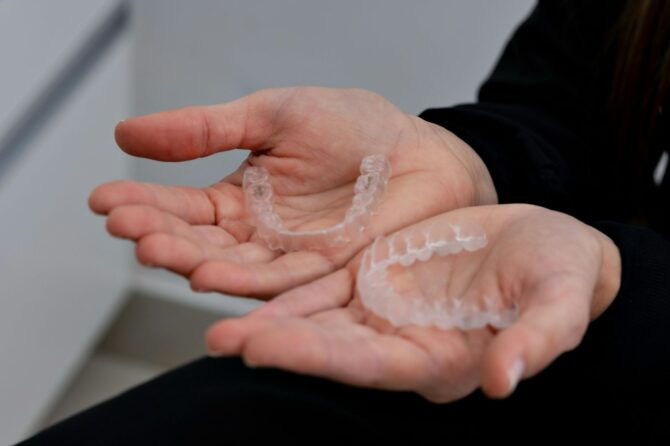
Invisalign, on the other hand, takes a more customised and flexible approach. Your orthodontist designs a digital treatment plan and fabricates a series of clear plastic aligners that progressively shift your teeth. Because these aligners are removable, they make it easier to maintain oral hygiene throughout the process—a key factor in long-term dental health.

Which Is More Comfortable for Daily Use?
The first few days of any orthodontic treatment can take some adjustment. With braces, metal brackets and wires may cause mild irritation to the inner lips and cheeks until you get used to them. However, many patients find that any discomfort becomes manageable after the initial period, and orthodontic wax can help smooth out rough spots.
Invisalign aligners, by contrast, are made of smooth, medical-grade plastic that tends to feel gentler on the mouth. You might still experience mild tightness when switching to a new set of aligners—a normal sign that your teeth are moving as planned. Ultimately, comfort depends on your tolerance, habits, and how faithfully you follow your orthodontist’s guidance.
How Long Does Orthodontic Treatment Usually Take?
Patience is part of every successful orthodontic journey. The time needed to straighten teeth varies depending on how complex your case is and how consistently you follow treatment instructions. Braces are sometimes preferred for more severe misalignment or bite issues, as their fixed design allows orthodontists to make precise adjustments over time.
Invisalign typically works best for mild to moderate corrections, with many patients completing treatment in 6 to 18 months. Braces, on the other hand, may take anywhere from 18 to 36 months depending on the level of movement required. Regardless of which method you choose, steady progress leads to a healthier bite and more stable results that last long after treatment ends.
Which Option Is Easier to Maintain for Good Oral Hygiene?
Cleanliness is essential for the success of any orthodontic treatment. Brushing your teeth with braces requires a bit more patience, as you’ll need to navigate around brackets and wires. You might also have to use tools like interdental brushes or water flossers to reach tricky areas. Though this adds time to your routine, it’s necessary to prevent plaque buildup and discolouration around the brackets.
Invisalign users have the advantage of removing their aligners before cleaning their teeth, which makes it easier to brush and floss thoroughly. The aligners themselves also need care; you’ll need to rinse and gently clean them regularly to prevent bacteria and odours.
What About Cost and Accessibility?
The cost of orthodontic treatment depends on several factors, including case complexity, treatment duration, and the clinic you choose. Invisalign often costs slightly more because of its advanced design and custom-fitted aligners, while braces can be a more affordable option in many cases. Still, both require professional oversight to ensure the best possible results.
In Singapore, only licensed dental professionals registered with the Singapore Dental Council (SDC) can provide orthodontic services. The Ministry of Health also publishes a guide to dental treatment costs to help patients make informed financial decisions before undergoing treatment. These measures promote transparency and patient safety, as they help ensure that your orthodontic care meets professional and regulatory standards.
You have more than just your appearance to consider when choosing between braces and Invisalign. Ultimately, it’s about finding a treatment that supports your long-term oral health and fits your lifestyle. With proper guidance from a qualified orthodontist, both can help correct misalignment, protect your teeth from premature wear, and make daily care easier. What matters most is starting from a place of understanding and trust, so every adjustment brings you closer to a healthier, more confident smile.